Traditional Haudenosaunee Corn Soup
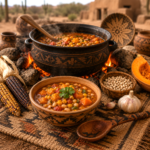
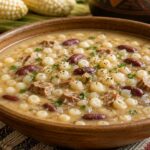
Built around hulled white corn and beans—two of the Three Sisters—the soup is traditionally enriched with meat such as venison or turkey, producing a simple but hearty and nourishing meal.
Built around hulled white corn and beans—two of the Three Sisters—the soup is traditionally enriched with meat such as venison or turkey, producing a simple but hearty and nourishing meal.
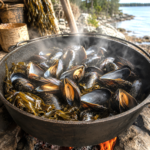
While traditional accounts describe shellfish being cooked over fire beneath seaweed. This modern stovetop preparation uses the same fundamental technique—steam and little else—allowing the mussels themselves to provide most of the flavor.
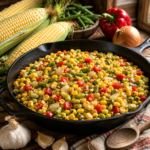
This modern version of Succotash includes tomatoes, onion, bell pepper, and garlic while retaining the corn-and-bean foundation of its Indigenous predecessor.
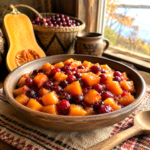
This Sasumuneash recipe has been adapted for the modern kitchen, but its flavors reflect ingredients that were available to Indigenous peoples of the Northeast long before European settlement.
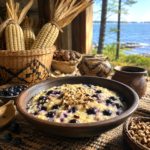
Long before oatmeal and other hot cereals became commonplace on American breakfast tables, preparations such as nasaump provided a simple, hearty meal from foods native to the region.
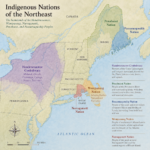
The Indigenous foods in the Northeast were not discovered by Europeans when they arrived on the Atlantic shore. They were part of well-established food systems developed over countless generations by people who understood the country long before newcomers.
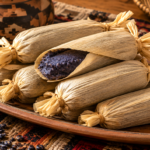
These simple blue corn dumplings, known as someviki, are traditionally wrapped in corn husks and steamed or boiled. They celebrate the rich, nutty flavor of one of the Southwest’s most treasured grains.
For centuries, Indigenous peoples throughout much of North America planted corn, beans, and squash together in a remarkable agricultural partnership known as the “Three Sisters.” Together, these three crops also created a hearty, nutritious meal that sustained generations.
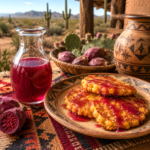
Inspired by the traditional prickly pear harvests of the Tohono O’odham, this syrup is a sweet, vibrant, ruby-colored staple made from the magenta “tunas” (fruit) of the prickly pear cactus. For generations, Indigenous peoples have transformed its sweet, jewel-like flesh into refreshing drinks, syrups, and preserves that capture the essence of the Sonoran Desert
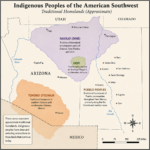
Today, many Americans driving through the deserts of the Southwest wonder how anyone could possibly survive there. Yet for thousands of years, Indigenous peoples looked upon that same desert and saw abundance.
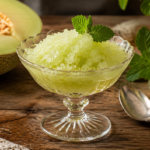
While true Montreal Melons remain difficult to find, this recipe works beautifully with cantaloupe or honeydew as well. What those melons lack, however, is the faint nutmeg-like fragrance that made the legendary Montreal Melon famous.
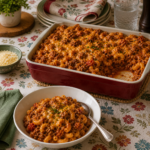
Somewhere between Old World stew and Italian-style baked pasta, American goulash found its permanent home on the American supper table. This casserole-style version, crowned with melted cheese and baked until bubbling around the edges, is the kind of meal that fed countless families after long workdays and school nights.
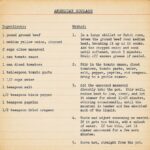
American goulash, sometimes referred to as slumgullion, likely owes its origin to Hungarian goulash. About the only thing the two dishes have in common is that they both contain meat and paprika.
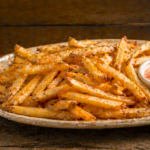
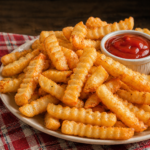
French fries have a way of disappointing when they don’t hold their crunch. You’ve had them—perfect when they hit the table, but soft and lifeless just minutes later. This method solves that problem.
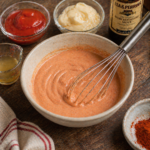
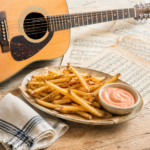
This creamy, tangy dipping sauce is the perfect accompaniment for your French fries. It’s also great on hamburgers, hot dogs, chicken fingers, and just about anything that could use a little extra flavor—you may never go back to plain ketchup again.
Trying to cut back on fried foods but still want a good plate of fries. This oven-baked version delivers crisp, well-seasoned fries with a light interior—no deep fryer required.
Roughly 80% of America enjoys French Fries on a regular basis, consuming an average of about 15 to 20 pounds per person each year.But what is the origin of this humble potato dish.
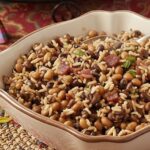
Black-eyed peas and greens have carried more than flavor to New Year’s Day tables—they’ve carried hope. Long a symbol of coins, this humble dish has become a quiet ritual of resilience, prosperity, and new beginnings.
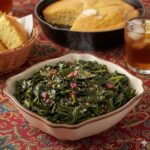
For generations, greens have carried more than flavor to New Year’s Day tables. Rooted in history and strengthened by family tradition, this humble dish has long represented “folding money” and the hope of prosperity in the coming year.
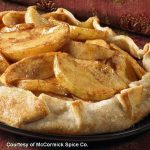
Pawpaw is indigenous to the U.S. with a taste is similar to banana and makes a wonderful pie.

These homemade fried pies were a special treat my momma made for me as a child.

These doughnuts are coated with a sugary glaze and taste just like cake doughnuts from your favorite bakery.