Latest Articles
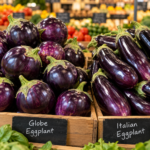
There are hundreds of cultivated eggplant varieties,
differing in size, shape, color, texture, and flavor. And
although we cook eggplant as a vegetable, botanically it
is a fruit—specifically, a berry.
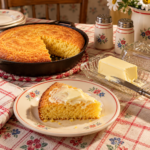
After more than a century of trying to replace butter, improve butter, make butter cheaper, make it healthier, and make something that tastes enough like butter to satisfy us, perhaps the history of butter and margarine says as much about Americans as it does about what we spread on our toast.

As a chef, I never gave much thought to when the people being fed have virtually no choice about what, when, or how they eat. That changed when my sons went to prison.
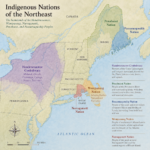
The Indigenous foods in the Northeast were not discovered by Europeans when they arrived on the Atlantic shore. They were part of well-established food systems developed over countless generations by people who understood the country long before newcomers.
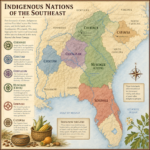
Long before European settlers, arrived these woodlands also supported some of the continent’s most highly developed Indigenous agricultural societies.
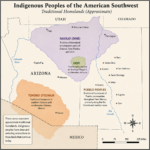
Today, many Americans driving through the deserts of the Southwest wonder how anyone could possibly survive there. Yet for thousands of years, Indigenous peoples looked upon that same desert and saw abundance.
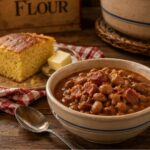
Today, many of the sandwiches in this story have nearly vanished from the American table. Younger generations have never heard of some of them, while others survive only as memories shared by grandparents. Yet each tells a story about the people who ate them and the times in which they lived.
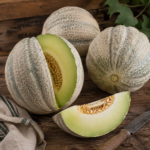
Montreal Melon, or Montreal Nutmeg Melon as it is sometimes called, is a remarkable fruit, once one of the great agricultural treasures of Canada. During the late nineteenth and early twentieth centuries, wealthy diners in New York, Boston, Philadelphia, and Montreal eagerly awaited its short summer season. Hotels and fine restaurants advertised it by name, and upscale fruit merchants displayed the giant melons like jewels in their shop windows.

Whether the tomato sandwich truly inspired tomato pie may never be fully proven. Like many regional dishes passed from one generation to another, its origins have become blurred over time.

American goulash, sometimes referred to as slumgullion, likely owes its origin to Hungarian goulash. About the only thing the two dishes have in common is that they both contain meat and paprika.