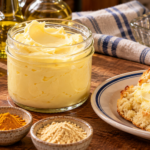
Homemade Margarine-Style Spread
This simple homemade spread combines coconut oil with a neutral vegetable oil to produce a creamy, spreadable alternative to butter.
This simple homemade spread combines coconut oil with a neutral vegetable oil to produce a creamy, spreadable alternative to butter.
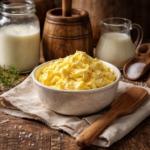
I first shared this recipe with my Grandma’s Kitchen story, where I wrote about watching my grandma make butter from the milk of her two Jersey cows. I’m including it again here because it seems a fitting companion to the story of butter and margarine.
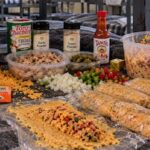
Prison cooking is largely a matter of making do with what you can get your hands on. My son remembers these tamales as one of the best examples.
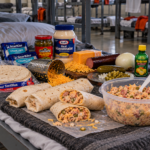
My son developed what he jokingly called “tunaritos” during his years in federal prison—a tuna mixture rolled in flour tortillas like a burrito.
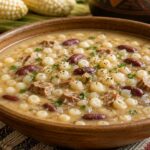
Built around hulled white corn and beans—two of the Three Sisters—the soup is traditionally enriched with meat such as venison or turkey, producing a simple but hearty and nourishing meal.
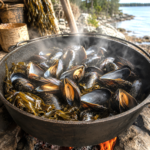
While traditional accounts describe shellfish being cooked over fire beneath seaweed. This modern stovetop preparation uses the same fundamental technique—steam and little else—allowing the mussels themselves to provide most of the flavor.
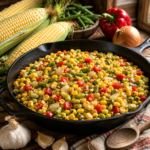
This modern version of Succotash includes tomatoes, onion, bell pepper, and garlic while retaining the corn-and-bean foundation of its Indigenous predecessor.
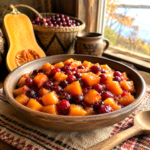
This Sasumuneash recipe has been adapted for the modern kitchen, but its flavors reflect ingredients that were available to Indigenous peoples of the Northeast long before European settlement.
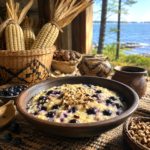
Long before oatmeal and other hot cereals became commonplace on American breakfast tables, preparations such as nasaump provided a simple, hearty meal from foods native to the region.
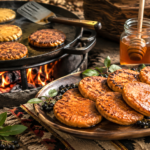
Sweet potato cakes remain among the foods associated with Catawba cooking, combining mashed sweet potatoes with a few simple ingredients before being browned on a hot griddle.
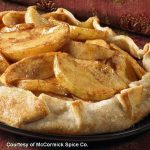
Pawpaw is indigenous to the U.S. with a taste is similar to banana and makes a wonderful pie.

These homemade fried pies were a special treat my momma made for me as a child.

These doughnuts are coated with a sugary glaze and taste just like cake doughnuts from your favorite bakery.