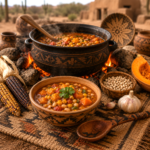
Traditional Haudenosaunee Corn Soup
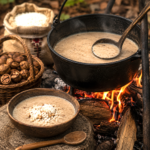
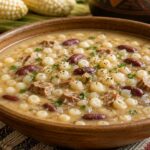
Built around hulled white corn and beans—two of the Three Sisters—the soup is traditionally enriched with meat such as venison or turkey, producing a simple but hearty and nourishing meal.
Built around hulled white corn and beans—two of the Three Sisters—the soup is traditionally enriched with meat such as venison or turkey, producing a simple but hearty and nourishing meal.
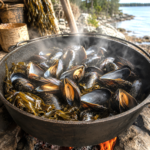
While traditional accounts describe shellfish being cooked over fire beneath seaweed. This modern stovetop preparation uses the same fundamental technique—steam and little else—allowing the mussels themselves to provide most of the flavor.
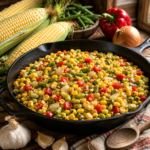
This modern version of Succotash includes tomatoes, onion, bell pepper, and garlic while retaining the corn-and-bean foundation of its Indigenous predecessor.
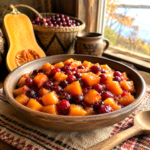
This Sasumuneash recipe has been adapted for the modern kitchen, but its flavors reflect ingredients that were available to Indigenous peoples of the Northeast long before European settlement.
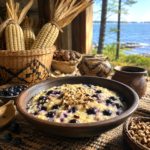
Long before oatmeal and other hot cereals became commonplace on American breakfast tables, preparations such as nasaump provided a simple, hearty meal from foods native to the region.
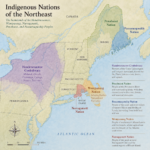
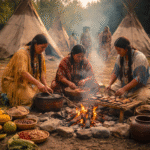
The Indigenous foods in the Northeast were not discovered by Europeans when they arrived on the Atlantic shore. They were part of well-established food systems developed over countless generations by people who understood the country long before newcomers.
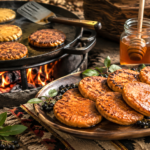
Sweet potato cakes remain among the foods associated with Catawba cooking, combining mashed sweet potatoes with a few simple ingredients before being browned on a hot griddle.
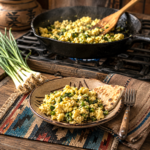
Among the Chickasaw, and other Southeastern Indigenous peoples, gathering wild onions and cooking them with eggs held and important place in their food traditions.
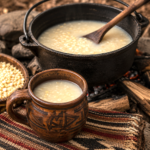
Sofkee, known by several related names among Indigenous peoples of the Southeast, is a traditional corn drink or thin porridge especially associated with the Muscogee and Seminole.
Kanuchi is a traditional Cherokee preparation made from hickory nuts that have been cracked, pounded, and worked into a rich paste, simmered in water to produce a rich, creamy soup.
Banaha is a traditional Choctaw corn bread with roots reaching back before European contact. Early preparations combined cornmeal with water and an alkaline ash, sometimes adding cooked peas.
Long before European settlers, arrived these woodlands also supported some of the continent’s most highly developed Indigenous agricultural societies.
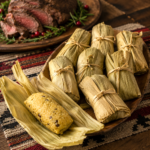
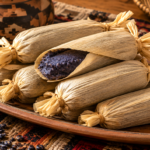
These simple blue corn dumplings, known as someviki, are traditionally wrapped in corn husks and steamed or boiled. They celebrate the rich, nutty flavor of one of the Southwest’s most treasured grains.
For centuries, Indigenous peoples throughout much of North America planted corn, beans, and squash together in a remarkable agricultural partnership known as the “Three Sisters.” Together, these three crops also created a hearty, nutritious meal that sustained generations.
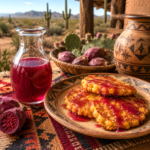
Inspired by the traditional prickly pear harvests of the Tohono O’odham, this syrup is a sweet, vibrant, ruby-colored staple made from the magenta “tunas” (fruit) of the prickly pear cactus. For generations, Indigenous peoples have transformed its sweet, jewel-like flesh into refreshing drinks, syrups, and preserves that capture the essence of the Sonoran Desert
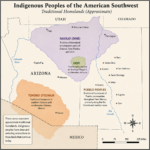
Today, many Americans driving through the deserts of the Southwest wonder how anyone could possibly survive there. Yet for thousands of years, Indigenous peoples looked upon that same desert and saw abundance.
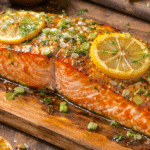
This salmon recipe does not attempt to recreate the sacred preparations of our Native Americans. Instead, it borrows from the simple wisdom of cooking salmon over cedar, allowing smoke and wood to deepen its natural richness–food both rooted and relevant.
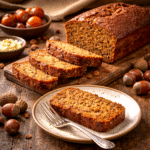
This bread brings those two native ingredients together in a way that feels both old and new: earthy acorn flour balanced by the honeyed depth of American persimmons. It is not a recreation of any single tribal preparation, but rather a respectful nod to the flavors that once defined this continent’s fall harvest.
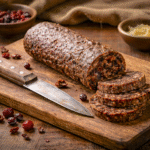
This pemmican recipe follows the traditional method while adapting it for the modern kitchen. It is dense, rich, and sustaining—food meant to be respected rather than rushed.
Across forests, prairies, rivers, and deserts, Indigenous communities developed foods that could withstand hard travel, lean seasons, bitter cold, and long journeys. No printed labels, no measuring spoons, no standardized recipes—only observation, patience, and knowledge carried forward from one generation to the next.
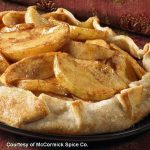
Pawpaw is indigenous to the U.S. with a taste is similar to banana and makes a wonderful pie.

These homemade fried pies were a special treat my momma made for me as a child.

These doughnuts are coated with a sugary glaze and taste just like cake doughnuts from your favorite bakery.