The Sandwiches America Forgot: Hard Times, Lunch Counters, and the Art of Making Do
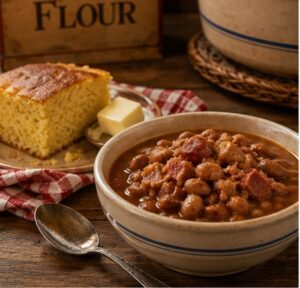
Of all the sandwiches my mother ate, the pinto bean sandwich may have been the one that puzzled me most. A slice of white bread, a spoonful or two of leftover beans mashed with a fork, and sometimes a slice of onion was all it took. She seemed perfectly content with it. I, on the other hand, never quite worked up the courage to try one.
As a child, I found the idea of a pinto bean sandwich a little off-putting. To my young mind, beans belonged in a bowl beside a piece of cornbread, not tucked between two slices of bread. Yet the older I've grown, the more I understand the appeal. I've always enjoyed pinto beans—in fact, I like almost every variety of beans—and what once seemed odd now strikes me as a simple, practical, and perhaps even tasty way to make use of a pot of leftovers.
I’ve come to realize that the stories my mother and her eight siblings told about growing up on a small southeastern Oklahoma farm were not exaggerated at all. Like much of rural America during hard times, the family often relied on whatever happened to be available in the pantry, smokehouse, garden, or bean pot. Sandwiches that seem unusual today were once perfectly ordinary meals. Some were born of necessity, others of regional traditions, and a few simply reflected the tastes of another era.
Today, many of these sandwiches have nearly vanished from the American table. Younger generations have never heard of some of them, while others survive only as memories shared by grandparents. Yet each tells a story about the people who ate them and the times in which they lived.
When Bread Was the Meal
Not every sandwich was built around meat. During periods of economic hardship, bread often served as the foundation for meals made from whatever happened to be available.
Pinto Bean Sandwich
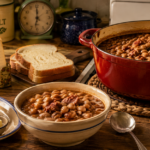
Throughout much of the South and Southwest, when food was scarce and nothing could go to waste, the pinto beans left over from last evening’s supper were mashed and spread onto white 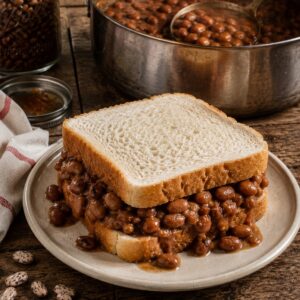 bread for the next day’s lunch pail. These “poor man’s sandwiches” were sometimes eaten plain; other times they were paired with onions, chow-chow, or mayonnaise. It was a practical way to stretch a pot of beans into another meal.
If beans represented yesterday's supper turned into today's lunch, other sandwiches were born from a different reality—the need to stretch pantry staples as far as possible. My mother probably never thought of it as a "forgotten sandwich." To her, it was simply a practical way to make sure yesterday's beans didn't go to waste.
Sugar Sandwich
Perhaps the simplest sandwich of all, the sugar sandwich consisted of white bread spread with butter or lard and sprinkled generously with sugar. It was inexpensive, filling, and provided a quick source of energy for working-class families and children. It also provided a way for Americans with limited budgets to recreate the sweetness of store-bought cookies and candy using only what they already had.
Lard Sandwich
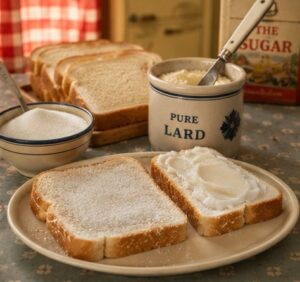 Long before nutritionists weighed in on such matters, the lard sandwich—rendered pork fat spread on bread—was a familiar brown-bag lunch for some factory workers and school children during lean times. Seasoned with salt and pepper, chopped onion, or a spoonful of sugar to make it more palatable, this sandwich served as a high-calorie, budget-friendly meal for many American families. While it may sound strange today, lard was once a common household staple.
Ketchup, Mayonnaise, and Mustard Sandwiches
When cupboards were nearly bare, condiments sometimes became the main event. A ketchup sandwich consisted of little more than ketchup spread between two slices of bread. A mayonnaise sandwich was similarly simple, though some versions included lettuce or tomato. Even the mustard sandwich required little more than bread, butter, and a smear of prepared mustard.
These humble creations were often less about preference than necessity.
Taken together, these sandwiches tell a story that is difficult for many modern Americans to imagine. In households where money was scarce and grocery trips infrequent, people learned to make meals from whatever happened to be available. Bread became a canvas upon which thrift and ingenuity were displayed one sandwich at a time.
Lunch Counter and Tea Room Favorites
The rise of lunch counters, drugstores, and diners introduced Americans to sandwiches that were quick, inexpensive, and satisfying. Many have since disappeared from menus.
Cheese Dream
The Cheese Dream was essentially an open-faced grilled cheese sandwich, often toasted under a broiler until golden brown and bubbling. Popularized in the early twentieth century, it evolved into a major culinary staple during the Great Depression and World War II. Later versions appeared in lunch counters and tearooms throughout the South. By the mid-twentieth century, the term "grilled cheese" had largely supplanted "Cheese Dream" in everyday American speech.
Olive and Cream Cheese Sandwich
A favorite at ladies' luncheons, bridge clubs, and afternoon teas, this sandwich combined chopped green olives with cream cheese. 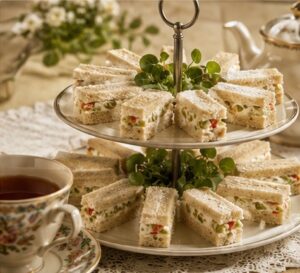 First appearing in the 1909 publication The Up-To-Date Sandwich Book, the olive and cream cheese sandwich emerged from a tradition of home entertaining that stretched back to the Victorian era, when simple but elegant finger foods were a centerpiece of luncheons and afternoon teas. Early iterations often featured cream cheese, chopped green olives with pimiento, and mayonnaise on buttered rye bread.
Deli Favorites That Faded Away
America's delicatessens once offered a wider variety of meats than most people encounter today.
Beef Tongue Sandwich
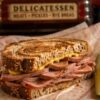
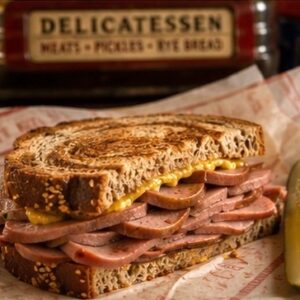 As immigrants established neighborhoods and delis in major cities like New York and Cleveland, beef tongue became a beloved staple. Tender, flavorful, and surprisingly mild, beef tongue was once a respected deli meat, thinly sliced and served on rye with mustard, horseradish, and chopped sweet pickles in Jewish delicatessens. As neighborhood butcher shops disappeared and Americans became less accustomed to eating organ meats, the beef tongue sandwich gradually faded from the national menu.
Sardine on Rye
For much of the twentieth century, sardines were a pantry staple. Layered onto rye bread—often seeded with caraway—with mustard, raw onions, or pickles, sardine sandwiches provided an affordable source of protein and were once common fare in diners and homes alike.
As commercial fleets expanded, canned tuna became cheaper, more readily available, and less “fishy” for the average American palate, and sardine sandwiches faded in favor of tuna sandwiches.
Regional Favorites
Some sandwiches never achieved nationwide fame but developed devoted followings in specific communities.
Chow Mein Sandwich
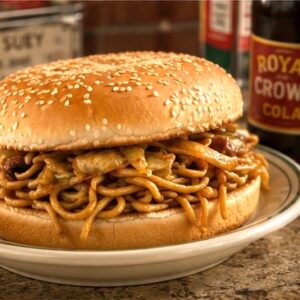 Perhaps one of the most unusual regional sandwiches in America, the chow mein sandwich emerged in the 1930s in Chinese-American restaurants in parts of New England and western New York. This sandwich became a staple for students and factory workers who could buy a filling meal for just a nickel. A scoop of hot, savory gravy-based chow mein served between a hamburger bun and topped with crispy, deep-fried noodles may sound odd, but generations of diners embraced it.
America’s Peanut Butter Obsession
Peanut butter has inspired countless sandwich combinations over the years. I will never forget the time my mother’s youngest brother, Billy, was spending a few days with us and we were making peanut butter sandwiches for lunch. I remember being shocked—and quite disgusted—when he insisted on slathering mayonnaise over the peanut butter of his sandwich. It was something I had never heard of and certainly wasn't willing to try.
Peanut Butter and Mayonnaise Sandwich
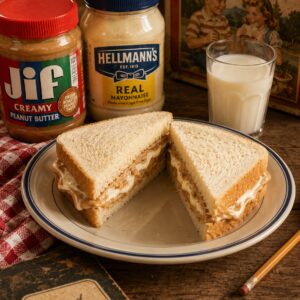 During the Great Depression, families searching for high-calorie, budget-friendly protein sources embraced this sandwich. The PB&M, as it was called, developed a loyal following throughout the South and parts of the Midwest, where the creamy mayonnaise balanced the richness of the peanut butter.
Peanut Butter and Bacon Sandwich
As peanut butter became a pantry staple in the early twentieth century, the peanut butter and bacon sandwich combined salty and sweet flavors long before that combination became trendy. By the 1970s the popularity of this sandwich exploded thanks to Elvis Presley, often with mashed bananas or jelly.
Peanut Butter and Egg Sandwich
This sandwich originated as a nutritional staple during World War I out of the need for conservation and meat rationing. It was featured in some cookbooks and household kitchens as an inexpensive source of protein.
While these combinations may seem unusual today, they were once familiar sights in lunch pails and home kitchens throughout America.
Why These Sandwiches Matter
Most of these sandwiches disappeared for a simple reason: America changed. Rising prosperity, improved refrigeration, expanded grocery selections, and the growth of convenience foods gave families access to ingredients their grandparents could scarcely imagine.
Yet these forgotten sandwiches deserve to be remembered. They remind us of a time when resourcefulness mattered, leftovers were treasured, and a simple slice of bread could become a meal. Whether born of hardship, regional traditions, or changing tastes, each represents a small piece of America's culinary history.
And who knows? One of these days I may finally try that pinto bean sandwich my mother enjoyed so much. After all, it doesn't sound nearly as strange as it once did.
Then again, perhaps some foods are best preserved as memories.