Latest Recipes

This salmon recipe does not attempt to recreate the sacred preparations of our Native Americans. Instead, it borrows from the simple wisdom of cooking salmon over cedar, allowing smoke and wood to deepen its natural richness–food both rooted and relevant.
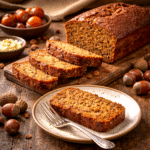
This bread brings those two native ingredients together in a way that feels both old and new: earthy acorn flour balanced by the honeyed depth of American persimmons. It is not a recreation of any single tribal preparation, but rather a respectful nod to the flavors that once defined this continent’s fall harvest.
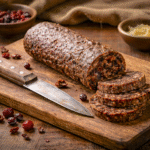
This pemmican recipe follows the traditional method while adapting it for the modern kitchen. It is dense, rich, and sustaining—food meant to be respected rather than rushed.
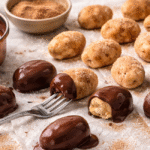
Despite the name, these charming little sweets contain no potatoes at all. Instead, they’re smooth, coconut-studded confections rolled in cinnamon so they resemble tiny potatoes. Irish potato candies are a beloved seasonal treat found in Philadelphia candy shops around St. Patrick’s Day—a sweet example of how Irish-American traditions sometimes take on a life of their own.
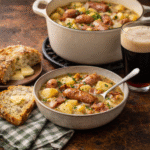
Like many traditional dishes, the recipe for Irish coddle varies widely from family to family. Born in eighteenth-century Dublin, it’s very much a grab-what-you-have kind of stew that simmers low and slow to peak deliciousness. The building blocks of the dish—bacon, sausage, onions, potatoes, and plenty of parsley and black pepper—add up to more than the sum of their parts, creating a dark, flavorful broth and a warm bowl of nourishment best enjoyed with slices of soda bread.

Boxty are traditional Irish potato pancakes, long associated with rural kitchens where potatoes were a daily staple. Recipes vary widely, but most combine mashed or grated potatoes with a little flour and egg to hold everything together. Crisp on the outside and tender within, these cheddar- and herb-laced boxty make a fine brunch dish—or a perfect companion to a hearty corned beef dinner.
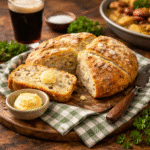
Few breads are more closely associated with Ireland than soda bread. Made with simple pantry ingredients and leavened with baking soda instead of yeast, it became a practical staple in rural Irish kitchens during the nineteenth century. Its crisp crust and tender, dense crumb make it equally at home alongside a hearty meal or spread with a little butter and jam.
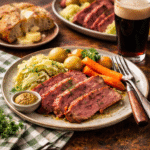
While often thought of as a traditional Irish dish, corned beef and cabbage is really an Irish-American creation. In the nineteenth century, Irish immigrants in cities like New York discovered that salted beef from Jewish butchers was far more affordable than pork, the meat they commonly used back home. Over time, the combination of corned beef, cabbage, and root vegetables became the centerpiece of many American St. Patrick’s Day tables.
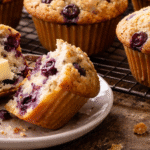
These muffins lean into that tradition. The Juneberries remain pleasantly firm, lending a subtle sweetness that feels less like confection and more like something gathered by hand. Served warm with a pat of butter, they remind us that not every fruit was meant for pie alone.
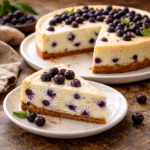
There is something satisfying about folding an old, nearly forgotten fruit into a thoroughly modern dessert. Cheesecake, with its smooth richness and faint tang, offers a steady canvas for the Juneberry’s deeper notes of almond and cherry. This is perhaps how we reclaim it today — familiar enough to invite a first bite, distinctive enough to make one pause and ask what exactly it is they are tasting.


