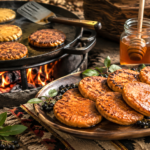
Catawba Sweet Potato Cakes
Sweet potato cakes remain among the foods associated with Catawba cooking, combining mashed sweet potatoes with a few simple ingredients before being browned on a hot griddle.
Sweet potato cakes remain among the foods associated with Catawba cooking, combining mashed sweet potatoes with a few simple ingredients before being browned on a hot griddle.
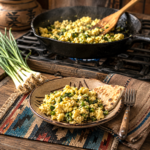
Among the Chickasaw, and other Southeastern Indigenous peoples, gathering wild onions and cooking them with eggs held and important place in their food traditions.
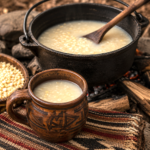
Sofkee, known by several related names among Indigenous peoples of the Southeast, is a traditional corn drink or thin porridge especially associated with the Muscogee and Seminole.
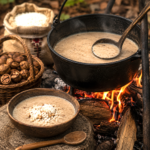
Kanuchi is a traditional Cherokee preparation made from hickory nuts that have been cracked, pounded, and worked into a rich paste, simmered in water to produce a rich, creamy soup.
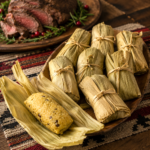
Banaha is a traditional Choctaw corn bread with roots reaching back before European contact. Early preparations combined cornmeal with water and an alkaline ash, sometimes adding cooked peas.
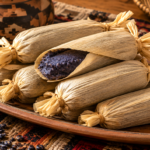
These simple blue corn dumplings, known as someviki, are traditionally wrapped in corn husks and steamed or boiled. They celebrate the rich, nutty flavor of one of the Southwest’s most treasured grains.
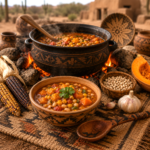
For centuries, Indigenous peoples throughout much of North America planted corn, beans, and squash together in a remarkable agricultural partnership known as the “Three Sisters.” Together, these three crops also created a hearty, nutritious meal that sustained generations.
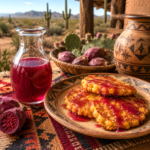
Inspired by the traditional prickly pear harvests of the Tohono O’odham, this syrup is a sweet, vibrant, ruby-colored staple made from the magenta “tunas” (fruit) of the prickly pear cactus. For generations, Indigenous peoples have transformed its sweet, jewel-like flesh into refreshing drinks, syrups, and preserves that capture the essence of the Sonoran Desert
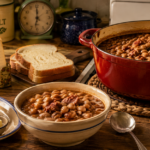
With little more than beans, water, onion, and a smoky ham hock, cooks created a hearty dish that could feed a family for days.
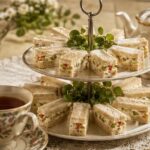
The combination of cream cheese, olives, and pimientos was a staple of bridge clubs, church socials, and afternoon gatherings throughout much of the twentieth century.
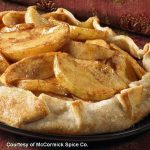
Pawpaw is indigenous to the U.S. with a taste is similar to banana and makes a wonderful pie.

These homemade fried pies were a special treat my momma made for me as a child.

These doughnuts are coated with a sugary glaze and taste just like cake doughnuts from your favorite bakery.