food histories
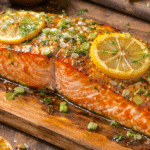
This salmon recipe does not attempt to recreate the sacred preparations of our Native Americans. Instead, it borrows from the simple wisdom of cooking salmon over cedar, allowing smoke and wood to deepen its natural richness–food both rooted and relevant.
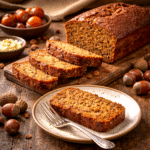
This bread brings those two native ingredients together in a way that feels both old and new: earthy acorn flour balanced by the honeyed depth of American persimmons. It is not a recreation of any single tribal preparation, but rather a respectful nod to the flavors that once defined this continent’s fall harvest.
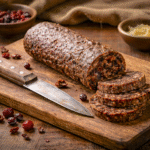
This pemmican recipe follows the traditional method while adapting it for the modern kitchen. It is dense, rich, and sustaining—food meant to be respected rather than rushed.
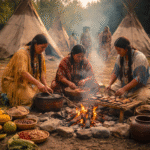
Across forests, prairies, rivers, and deserts, Indigenous communities developed foods that could withstand hard travel, lean seasons, bitter cold, and long journeys. No printed labels, no measuring spoons, no standardized recipes—only observation, patience, and knowledge carried forward from one generation to the next.
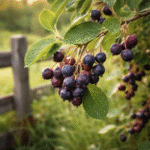
Before blueberries were branded and shipped coast to coast, another native berry ripened quietly along fence lines each June. The Juneberry once fed a young nation — and now waits patiently to be remembered.

Some history about five retro desserts–some you may remember fondly, and others may never have tasted at all.
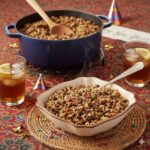
For generations, black-eyed peas and greens have carried more than flavor to New Year’s Day tables—they’ve carried hope. Rooted in history and strengthened by family tradition, this humble meal has become a quiet ritual of resilience, prosperity, and new beginnings.

One taste of this deliciously sweet, thick, and creamy holiday beverage, and you’ll never want the store-bought variety again.
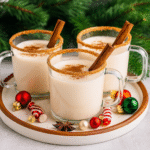
Over the centuries, eggnog has traveled a long road from its European beginnings to its place on American holiday tables. Its story is one of adaptation, abundance, and tradition, reflecting how a simple mixture of eggs, milk, and spirits became a symbol of seasonal cheer.
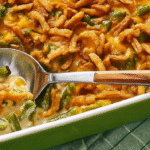
Born in the Campbell’s Test Kitchen in 1955, this recipe has stood the test of time. With just five staple ingredients and a mere 10 minutes of prep, it’s no wonder this dish has been a beloved family favorite for over six decades.
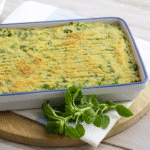
This recipe comes from Liguria, Italy located on the north-western Mediterranean coast— also known as the Italian Riviera. The region’s capital is Genoa, a city famous for its many beloved Italian foods, including olive oil, focaccia, and mouthwatering confections.

This recipe is right out of the 1950s. The eggs, relish, and salad dressing—which can be adjusted to taste—round out the flavor of bologna in this simple and delicious spread.

These easy, made-from-scratch yeast rolls stuffed with Vienna sausage are perfect for breakfast, brunch, bringing to potlucks, or holiday parties.

Adapted from a vintage Underwood Deviled Ham advertisement, this omelet makes a great start for your morning breakfast or brunch. Or serve it with a side salad for a light dinner option.

A blend of liverwurst and ground pork, these moist, flavorful, and delicious meatballs come with the added bonus of sneaking in healthy organ meat without anyone knowing it’s there. Perfect for your pasta dish or served on their own with a side of greens.

In the 1940s through the ’60s, a trip to the grocery store wasn’t complete without a stop at the cold-cut case. Bologna, olive loaf, and liverwurst were more than sandwich fillings—they were part of the rhythm of everyday life.
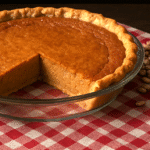
This quick and easy Southern-style pie is an Appalachian favorite—the perfect alternative to pumpkin or sweet potato pie. Who knows, you may find it even tastier. I know my momma would.
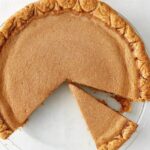
This traditional Muslim bean pie—made with navy beans—can be served warm or cold. Either way, it’s a sure to be a hit with family and friends.
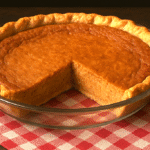
Pinto bean pie, a uniquely Southern dessert that found a home in Appalachian cooking, is reminiscent of sweet potato or pumpkin pie.

Chicken and dumplings carries a history as rich as the broth it’s cooked in. From European kitchens to Southern farm tables, this humble yet celebratory dish has been simmering in American culture for generations.
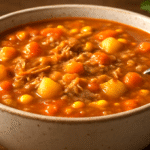
Born from Southern tradition Brunswick Stew is made with already-cooked meats, it comes together quickly—just the thing for feeding a crowd or warming up a chilly day.
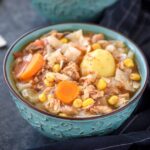
This thick, hearty stew is as much about fellowship as it is about flavor. While most often linked to Kentucky, you’ll also find folks in Indiana and Tennessee calling it their own—each with a slightly different spin.
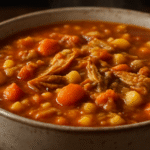
Brunswick stew’s rich history blends folklore, regional pride, and a good dose of friendly rivalry over who made it first—proof that a bowl of stew can be as much about heritage as it is about flavor.
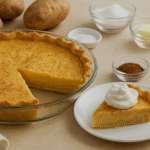
White potato pie has been a cherished Maryland dessert, particularly on the Eastern Shore, for generations.
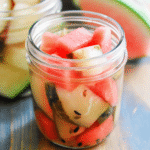
Adapted from Edna Lewis’s recipe in her landmark1976 cookbook The Taste of Country Cooking. Born in Freetown, Virginia, Lewis was the granddaughter of an emancipated slave who helped establish the town. She left home to make her way in New York, first as a skilled seamstress and later as a writer, before finding her true calling in the kitchen. Over the years she become a beloved chef, the author of four influential cookbooks, and one of the most important voices in preserving and celebrating Southern food traditions.
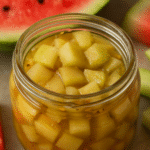
From family farm gatherings to centuries of culinary tradition, watermelon rind pickles tell a story of resourcefulness, resilience, and sweet-sour summertime flavor.

An elegant, one-time holiday favorite in New England, Marlborough pie boasts an apple-infused custard flavored with lemon and sherry.

Before apple pie became the patriotic symbol we know today, early American cooks baked something far more old-world and unexpected: Marlborough Pie. This forgotten New England favorite was made, remarkably, with apples on the verge of spoiling.

Gooseberries live in that curious category of half-memory, passed down through family stories of a past I never knew. And though gooseberries have all but vanished from most American kitchens, the memory of them lingers.
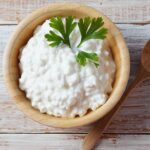
From farmhouse kitchens to 1970s diet plates, this humble, curdy concoction has long been a quiet staple of American food culture. Though it fell out of favor during the yogurt craze, its story is one of surprising resilience, and its comeback is nothing short of remarkable.

In America, baked bean dishes, including pork and beans, are thought to have began with the indigenous Penobscot, Narragansett, and Iroquois tribes, who slow-cooked beans in clay pots buried in holes filled with hot stones.

American pokeweed is a flowering herbaceous perennial plant belonging to the Phytolaccaceae family. And while the leaves and stalks of this species are a nutritional powerhouse, high in vitamin A, C, iron, and calcium, its high toxicity will make humans extremely ill (perhaps even fatal) if not properly cooked.

This egg cream recipe comes from Peter Freeman and Gia Giasullo, co-owners of the Brooklyn Farmacy, located in the Carol Gardens neighborhood.
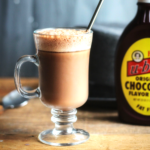
For the uninitiated, egg creams, despite their name, contain neither eggs nor cream.

It was 1812 America when Philadelphia scientist and horticulturist James Mease created the first tomato ketchup, but it was H. L. Heinz that turned it into a global condiment.
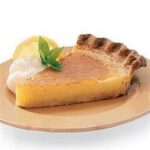
The Great Depression brought with it a number of major changes in the American food scene — how to acquire food, how to make it last, and how to turn the available limited ingredients into tasty, nutritious meals.
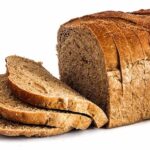
Bread is one of the oldest, most important, yet perhaps the most presumed foods in the world. In its simplest form, bread is wheat flour and water formed into a shaped dough and baked.

Over the past two centuries, the worldwide marketplace has seen the development of hundreds of soft drink brands. While many have enjoyed lasting success, many more have fallen to the wayside.

1795 Nicholas Appert discovered how to preserve foodstuffs for long period of time, although it took 14 years of trial and error. Yet it took another 50 years before anyone knew why the Appert’s method worked.

The term “Brunch” may have been created by British author Guy Beringer, it was on this side of the pond that its popularity grew.

The hot dog consists of a boiled, steamed, or grilled sausage, known as a wiener or frankfurter, tucked into a specially designed bun, usually dressed with condiments or toppings that can vary depending on your country, state, or locale.

Diners can be traced back to Walter Scott, a newspaper pressman at the Providence Journal who, in 1872, left the presses to sell late night coffee and sandwiches from a horse-drawn wagon.

If all of the Cracker Jack sold during that time were laid end-to-end they would circle the earth more than seventy-one times.

The first pumpkin pies were likely made by hollowing out the shell, filling it with milk, honey, and spices, then baking it in hot ashes.

The chimichanga is said to have been created not in Mexico but in Phoenix, Arizona.
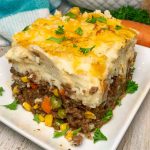
Shepherd’s pie came about in the late 1700s as a way for frugal peasant housewives to use their leftover lamb, mutton, and other meats.

The first cheesecakes, known as “plakous,” were simply made using only flour, wheat, honey, and cheese.

Bread pudding can be traced back to the early 11th century as a way for frugal cooks to utilize leftover bread.

Well-decorated gingerbread houses became popular following the 1812 publication of the Brothers Grimm fairytale “Hansel and Gretel.”

One of my all-time favorites is a tuna salad sandwich–canned Albacore tuna packed in water with minced celery and onion, hard-boiled egg, a touch of garlic, and lots of America’s favorite condiment, mayonnaise. And though some of you may dislike, even hate mayo, I’m among the majority who wouldn’t think of having a ham and […]


