Valentine’s Day in America

February 14th is Valentine’s Day in this beautiful country of ours, a day when almost every young, school‑aged child is required by their teacher to create handmade cards for classmates, friends, and family members. Cards decorated with drawings, stickers, and cut‑out hearts of all shapes and sizes—even some with colorful conversation candies glued to them. They are always adorned with handwritten messages like, “Be My Valentine,” “Happy Valentine’s Day,” or the reassuring reminder that “Somebody Loves You.”
For adults, Valentine’s Day in America has become a major retail holiday, with more than $29 billion spent annually on cards, jewelry, flowers, chocolates, and romantic gifts of all kinds—including dining out. In fact, for restaurants, Valentine’s Day is their second busiest day of the year, exceeded only by Mother’s Day, with sales this year expected to surpass a record $6 billion. And because Valentine’s Day 2026 falls on a Friday, many restaurants are anticipating higher‑than‑average traffic, fully booked dining rooms, and tightly timed reservations.
 But as restaurant reservations fill up and menu prices inch higher, many consumers—especially couples—are choosing to avoid crowded dining rooms and prix‑fixe menus in favor of a more intimate and romantic meal at home. Last year, some 41 percent of those celebrating Valentine’s Day chose to eat at home rather than go out, a number expected to increase again this year amid ongoing economic concerns. With more than half of diners still planning to eat out and making reservations as early as four weeks in advance, popular time slots disappear quickly, leaving limited options for those with less flexible schedules—another compelling reason to celebrate the day at home.
A romantic, home‑cooked Valentine’s Day meal does not have to be time‑consuming or labor‑intensive, nor does it need to break the bank. It can be as involved as a classic steakhouse supper 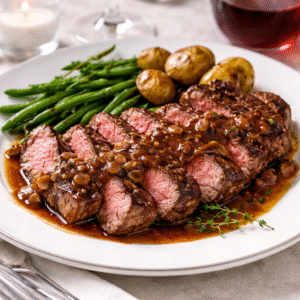 complete with lobster risotto and a crisp wedge salad, as simple as spaghetti and meatballs paired with a glass of red wine, or as casual as a heart‑shaped pizza and your favorite beer. What matters most is not the level of culinary ambition, but the intention behind the meal.
For couples considering a Valentine’s Day at home, a little planning goes a long way. Start by deciding on the tone of the evening—elegant, nostalgic, playful, or comfortably low‑key—and let that guide the menu. Choose dishes you already know how to prepare well; Valentine’s Day is not the time to test an unproven recipe or tackle complicated techniques that invite stress. Make a grocery list early, double‑check pantry staples, and be sure you have the necessary equipment on hand. Setting the table in 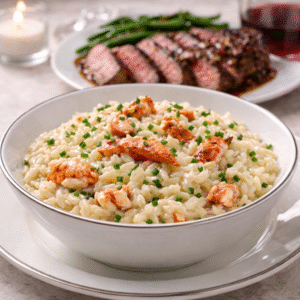 advance, selecting music, and chilling the wine ahead of time can turn small details into part of the romance rather than last‑minute distractions.
Preparing the meal together can also enhance the experience. Sharing kitchen duties encourages conversation, creates a sense of partnership, and makes cleanup feel far less burdensome. There is an easy intimacy in cooking side by side—tasting sauces, pouring drinks, and moving around a familiar kitchen—that no restaurant reservation can quite replicate.
Of course, celebrating Valentine’s Day at home comes with both advantages and trade‑offs. The pros are clear: lower costs, fewer crowds, flexible timing, and the freedom to linger over dinner without being rushed. There is no competing noise, no waiting for a table, and no pressure to vacate it for the next reservation. The 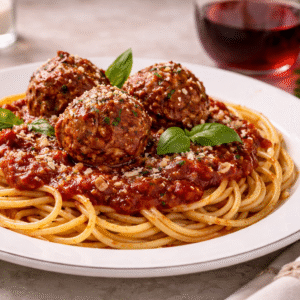 cons are modest by comparison—someone still has to cook, set the table, and wash the dishes—but for many couples, those small efforts are outweighed by the comfort and authenticity of the experience.
In the end, Valentine’s Day has always been less about lavish gestures than about thoughtfulness and connection. Whether expressed through a child’s handmade card or a carefully planned meal at home, the holiday’s meaning lies in the simple act of showing care. In an era of crowded restaurants and fixed‑price menus, choosing to stay in can feel like a quiet return to that original spirit—one plate, one table, and one shared moment at a time.