american dining
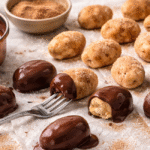
Despite the name, these charming little sweets contain no potatoes at all. Instead, they’re smooth, coconut-studded confections rolled in cinnamon so they resemble tiny potatoes. Irish potato candies are a beloved seasonal treat found in Philadelphia candy shops around St. Patrick’s Day—a sweet example of how Irish-American traditions sometimes take on a life of their own.
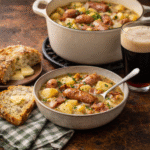
Like many traditional dishes, the recipe for Irish coddle varies widely from family to family. Born in eighteenth-century Dublin, it’s very much a grab-what-you-have kind of stew that simmers low and slow to peak deliciousness. The building blocks of the dish—bacon, sausage, onions, potatoes, and plenty of parsley and black pepper—add up to more than the sum of their parts, creating a dark, flavorful broth and a warm bowl of nourishment best enjoyed with slices of soda bread.
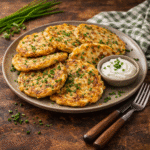
Boxty are traditional Irish potato pancakes, long associated with rural kitchens where potatoes were a daily staple. Recipes vary widely, but most combine mashed or grated potatoes with a little flour and egg to hold everything together. Crisp on the outside and tender within, these cheddar- and herb-laced boxty make a fine brunch dish—or a perfect companion to a hearty corned beef dinner.
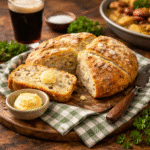
Few breads are more closely associated with Ireland than soda bread. Made with simple pantry ingredients and leavened with baking soda instead of yeast, it became a practical staple in rural Irish kitchens during the nineteenth century. Its crisp crust and tender, dense crumb make it equally at home alongside a hearty meal or spread with a little butter and jam.
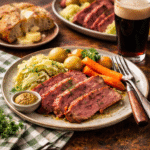
While often thought of as a traditional Irish dish, corned beef and cabbage is really an Irish-American creation. In the nineteenth century, Irish immigrants in cities like New York discovered that salted beef from Jewish butchers was far more affordable than pork, the meat they commonly used back home. Over time, the combination of corned beef, cabbage, and root vegetables became the centerpiece of many American St. Patrick’s Day tables.
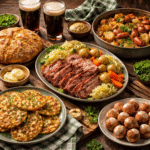
St. Patrick’s Day is often celebrated with parades, green decorations, and the familiar plate of corned beef and cabbage—but long before green beer and the festive parades Irish immigrants were quietly shaping America’s foodways. From potatoes and soda bread to whiskey distilling and hearty boiled dinners, Irish immigrants left behind a culinary legacy that still flavors our kitchens today.
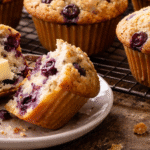
These muffins lean into that tradition. The Juneberries remain pleasantly firm, lending a subtle sweetness that feels less like confection and more like something gathered by hand. Served warm with a pat of butter, they remind us that not every fruit was meant for pie alone.
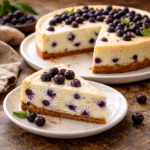
There is something satisfying about folding an old, nearly forgotten fruit into a thoroughly modern dessert. Cheesecake, with its smooth richness and faint tang, offers a steady canvas for the Juneberry’s deeper notes of almond and cherry. This is perhaps how we reclaim it today — familiar enough to invite a first bite, distinctive enough to make one pause and ask what exactly it is they are tasting.
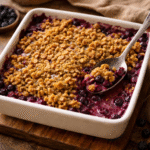
A crisp may be the most honest way to prepare a berry like this. There is no fussing with crust, no shaping or trimming — only fruit, sugar, and a buttery topping baked until the juices rise and bubble at the edges. In many ways, it mirrors the Juneberry itself: unpretentious, seasonal, and best enjoyed while it lasts. Spoon it warm into a bowl and you will understand why this quiet fruit once held a place at so many early American tables.

Before blueberries were branded and shipped coast to coast, another native berry ripened quietly along fence lines each June. The Juneberry once fed a young nation — and now waits patiently to be remembered.
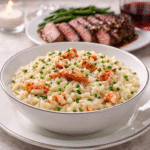
This decadently delicious lobster risotto makes a wonderful side dish for almost any red-meat dinner. Try it—you won’t be disappointed!
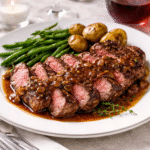
Knowing when a steak is done is not an exact science. We recommend using an instant-read digital thermometer for perfectly cooked, hassle-free meat every time.
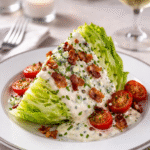
Adapted from the recipe of a famous New York steakhouse, this salads creamy dressing utilizes a combination of the young, mild Italian blue cheese known as Gorgonzola dolce, rich sour cream, and quality mayonnaise to stand up to the bacon, grape tomatoes, and crisp iceberg lettuce.

From paste-and-glitter valentines exchanged in elementary classrooms to candlelit dinners shared at home or out on the town, Valentine’s Day in America has always been as much about ritual and memory as it is about romance.
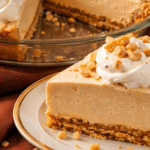
Among my momma’s recipes was this one for peanut butter chiffon pie, clipped from an early McCalls magazine.
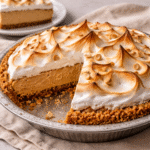
While this rich, sweet, custardy pie is not in my momma’s collection, I’m including it because of its significant historic value, as well as its flavor, which is said to remind one of peanut butter fudge. The First Lady served this pie a number of times during her time in the White House.
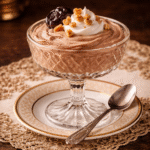
I’m not sure from what magazine my momma clipped the article about President Dwight “Ike” Eisenhower’s favorite foods, but stapled to it was his recipe for beef stew, as well as this one for prune whip.
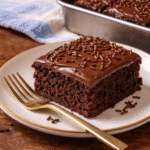
This recipe was scribbled on the back of a slightly soiled business-size envelope in what appeared to be my momma’s writing. While I can’t be certain she ever made this recipe, it’s the type of cake she just might have baked a few times—which may explained the soiled envelope.
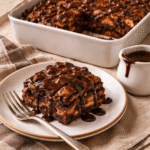
I’m not sure where this recipe originated, as it was typed on the front and back of an index card. I’ve rewritten it to fit my recipe style.
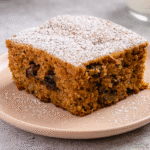
This recipe was in my momma’s old recipe collection for her mother’s Applesauce Cake. I’ve transcribed it exactly how it was written, using my style.
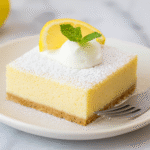
The ultra thick and creamy Meyer lemon custard, with its unique citrus flavor, atop buttery shortbread crust–the last lemon bar recipe you’ll ever need!

A classic, rich, and flavorful Louisiana dish featuring succulent shrimp smothered in a thick, spicy sauce and served over rice. The name comes from the French word “étouffer,” meaning “to smother”.
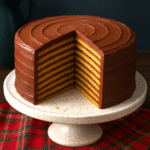
Born on the windswept shores of Maryland’s Chesapeake Bay, Smith Island Cake, has long been a sweet symbol of community and celebration. With its signature nine paper-thin layers and glossy chocolate icing, it’s the kind of dessert that feels both homey and grand—a cake meant to be shared, one slender slice at a time.
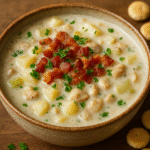
This thick, creamy soup filled with diced potatoes and tender clams makes a delicious appetizer. Or serve it with a fresh tossed salad for light lunch or hearty, stick-to-you-ribs supper.
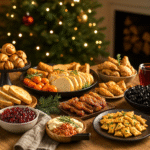
Discover how Christmas dinner varies across America—from New England seafood feasts to Southwest tamales—in this nostalgic look at regional traditions.

One taste of this deliciously sweet, thick, and creamy holiday beverage, and you’ll never want the store-bought variety again.

Over the centuries, eggnog has traveled a long road from its European beginnings to its place on American holiday tables. Its story is one of adaptation, abundance, and tradition, reflecting how a simple mixture of eggs, milk, and spirits became a symbol of seasonal cheer.
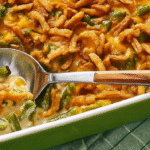
Born in the Campbell’s Test Kitchen in 1955, this recipe has stood the test of time. With just five staple ingredients and a mere 10 minutes of prep, it’s no wonder this dish has been a beloved family favorite for over six decades.
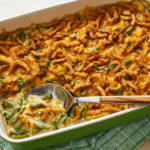
This year, an estimated 20 million American households will be serving Campbell’s classic green bean casserole as part of their Thanksgiving festivities.

This recipe is right out of the 1950s. The eggs, relish, and salad dressing—which can be adjusted to taste—round out the flavor of bologna in this simple and delicious spread.

These easy, made-from-scratch yeast rolls stuffed with Vienna sausage are perfect for breakfast, brunch, bringing to potlucks, or holiday parties.

Adapted from a vintage Underwood Deviled Ham advertisement, this omelet makes a great start for your morning breakfast or brunch. Or serve it with a side salad for a light dinner option.

A blend of liverwurst and ground pork, these moist, flavorful, and delicious meatballs come with the added bonus of sneaking in healthy organ meat without anyone knowing it’s there. Perfect for your pasta dish or served on their own with a side of greens.

In the 1940s through the ’60s, a trip to the grocery store wasn’t complete without a stop at the cold-cut case. Bologna, olive loaf, and liverwurst were more than sandwich fillings—they were part of the rhythm of everyday life.
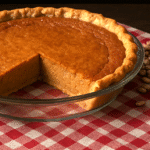
This quick and easy Southern-style pie is an Appalachian favorite—the perfect alternative to pumpkin or sweet potato pie. Who knows, you may find it even tastier. I know my momma would.

This traditional Muslim bean pie—made with navy beans—can be served warm or cold. Either way, it’s a sure to be a hit with family and friends.
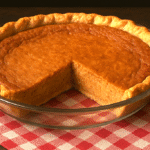
Pinto bean pie, a uniquely Southern dessert that found a home in Appalachian cooking, is reminiscent of sweet potato or pumpkin pie.
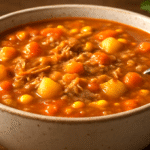
Born from Southern tradition Brunswick Stew is made with already-cooked meats, it comes together quickly—just the thing for feeding a crowd or warming up a chilly day.

This thick, hearty stew is as much about fellowship as it is about flavor. While most often linked to Kentucky, you’ll also find folks in Indiana and Tennessee calling it their own—each with a slightly different spin.
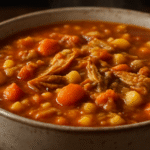
Brunswick stew’s rich history blends folklore, regional pride, and a good dose of friendly rivalry over who made it first—proof that a bowl of stew can be as much about heritage as it is about flavor.
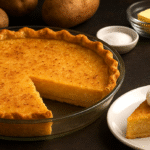
This recipe has been passed from one generation to the next, remaining a special holiday treat in Maryland’s Eastern Shore.
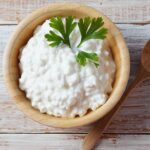
From farmhouse kitchens to 1970s diet plates, this humble, curdy concoction has long been a quiet staple of American food culture. Though it fell out of favor during the yogurt craze, its story is one of surprising resilience, and its comeback is nothing short of remarkable.
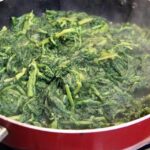
You should only use the leaves and stems for young plants — those under two feet tall, with no signs of purple on the stalks or stems. Absolutely no roots!**

American pokeweed is a flowering herbaceous perennial plant belonging to the Phytolaccaceae family. And while the leaves and stalks of this species are a nutritional powerhouse, high in vitamin A, C, iron, and calcium, its high toxicity will make humans extremely ill (perhaps even fatal) if not properly cooked.

This egg cream recipe comes from Peter Freeman and Gia Giasullo, co-owners of the Brooklyn Farmacy, located in the Carol Gardens neighborhood.
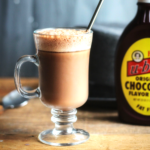
For the uninitiated, egg creams, despite their name, contain neither eggs nor cream.
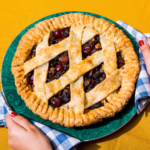
Of all the pies my momma baked during the holiday season, there was one very special pie she made just for herself . . . her Christmas mincemeat pie.
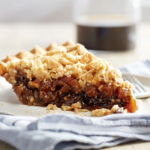
This sweet, flavorful pie was one of my momma’s all-time favorite
pies. She made them every Christmas until I was almost grown,
when she said she could no longer find prepared mincemeat at
the supermarket.

This Is one of the flakiest pie doughs you will ever make.

This recipe was created by Heinz to celebrate their 100th anniversary in Canada.


